

Default Insured Refinancing at 90%: A New Way to Fund Secondary Suites
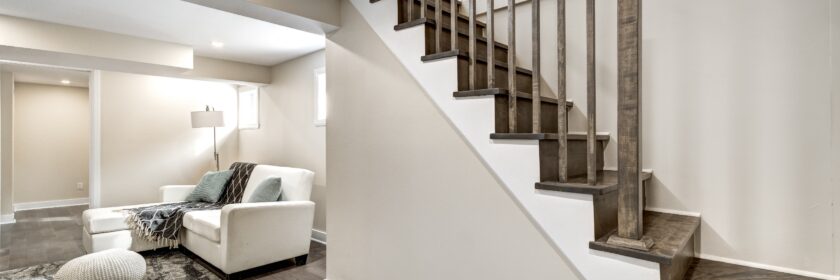
If you own a home in Ottawa, there’s a good chance you’ve looked at your basement or detached garage and wondered what it could be. A rental apartment? A place for your parents or an adult kid who’s still finding their footing? Maybe just a way to make the mortgage feel a little lighter each month.
The idea is easy to like. The financing is where most people get stuck. Building a legal secondary dwelling unit is rarely cheap, and until recently, many homeowners simply couldn’t borrow enough to do it. That changed in January 2025, and it’s worth understanding how.
What is This Refinance Program?
Let’s start with the basics. Since January 15, 2025, homeowners can take out an insured mortgage when they refinance, as long as the money goes toward building secondary suites. In plain terms, you can refinance your existing mortgage and borrow up to 90% of what your home will be worth after the work is done, as long as the total stays under $2 million.
Why does that matter? Because the old rules were pretty restrictive. A regular cash-out refinance tops out at 80% of your home’s current value, which rarely stretches far enough to cover a six-figure build. Insured refinancing hasn’t been available since 2016. This program carves out a narrow exception, aimed squarely at people who want to add a legal suite.
Who Qualifies?
The program has a few ground rules, and they’re worth knowing before you get your hopes (or your contractor’s quotes) up.
- First, you need to already own the home, and someone has to live in it. The borrower, or a close relative, must occupy at least one unit. That means this is built for owner-occupiers and families, not for investors flipping from property to property.
- Second, you can go beyond a single suite. The property can have up to four units, including the existing one. If you’re in a single-family home today, that opens up some real options, from a basement apartment to a coach house out back.
- Third, the unit has to be legal and self-contained. It must comply with local bylaws and regulations, and you can’t use it as a short-term rental. So the Airbnb plan is off the table. This product is designed for long-term housing.
- Finally, which insurer is behind your mortgage makes a difference. CMHC, Sagen, and Canada Guaranty offer a refinance product for secondary suites.
Once you know you’re eligible, the natural next question is how the borrowing math works.
How the 90% LTV and Financing Terms Work
This is where the program really differs from a standard refinance. Instead of measuring your loan against what your home is worth today, lenders look at the as-improved value, meaning what the home is expected to be worth once the suite is built. An appraisal showing both the current value and the projected post-construction value is part of the process.
Here’s an example with illustrative numbers:
- Home value today: $700,000
- Existing mortgage balance: $600,000
- Suite construction budget: $110,000
- Estimated value after construction: $800,000
Your new loan would be $710,000, about 88.75% of the as-improved value, which fits inside the 90% limit. Under the standard 80% rule, this homeowner couldn’t have refinanced at all, since 80% of today’s value is only $560,000.
A few other terms help the numbers work:
- Longer amortization. You can stretch the loan over up to 30 years, which helps keep monthly payments manageable while you’re taking on construction costs.
- Debt consolidation. Existing debt secured against the property can be rolled into the new insured mortgage.
- Staged funding. Money can be advanced in progress draws as construction moves forward, rather than all at once on day one.
Why This Matters for Homeowners
The most obvious benefit is rental income. A legal secondary dwelling unit can bring in monthly rent that offsets your mortgage payment, or it can give a family member a place of their own.
It’s also good for the city. Ottawa, like much of Ontario, needs more places for people to live, and adding units inside existing neighbourhoods is one of the gentlest ways to do it. No new subdivisions, just more homes where the services already are.
Then there’s the cost of borrowing. Because this is a first mortgage backed by insurance, the interest rate is generally more competitive than a second mortgage or a home equity line of credit (HELOC). Those products also tend to have shorter terms, tighter combined borrowing limits, and a HELOC’s rate can move with the market.
The longer 30-year amortization helps keep payments steadier, too. Rates depend on the lender, the term, and your situation, so a side-by-side comparison from your broker is worth it.
What to Consider Before Applying
Think of this section as your pre-flight checklist.
- Get realistic renovation quotes. Your budget drives the loan amount and the draw schedule, so collect detailed estimates from licensed contractors. Don’t forget permits, servicing and a contingency for surprises.
- Expect an appraisal that matters. The as-improved value is an estimate, and estimates can miss. Critics point out that if the renovation adds less value than expected, or home values dip, you could end up with a higher loan-to-value than planned. A little cushion goes a long way.
- Plan for the timeline. Permits, approvals, construction and draw inspections all take time, so build that into your plans and your rental income expectations.
- Understand the qualifying rate. Insured mortgages are generally qualified at a higher “stress test” rate than the rate you’ll actually pay, so your income needs to support that higher payment.
- Tell your insurer and expect a tax bump. The City advises notifying your insurance company or broker as early as possible about a planned coach house. A new unit can also raise your property’s assessed value, which may affect your property taxes.
- Skip the short-term rental plan. Remember, the program requires a long-term tenancy.
Know What Ottawa Allows on Your Lot
Rules differ depending on whether you’re finishing a unit inside your home or building a detached one.
A coach house is a separate unit in its own building on the same lot, and it requires a building permit. Under the City’s published guidance, a lot with a secondary dwelling unit inside the main home can’t also have a coach house, and the former Village of Rockcliffe Park doesn’t permit secondary dwelling units. Coach houses also need to be serviced from the main home’s water and sewer connection.
Ready to Take the Next Step?
Every home is different, and so is every project. The right move depends on your current mortgage, your home’s value, what the City will allow on your lot, and what you want the suite to do for you.
The Chris Allard mortgage team can help you at whatever stage of the process you are in. Contact us today; we’ll look at what you could borrow and what it would cost, and help you decide whether this program fits your plans.

Chris Allard’s experience in the field means he can get you offers with over 50 financial institutions lending in Ottawa. Every lender has many mortgage products they offer, which means Chris and his team will make sure a mortgage caters to your needs while also ensuring you get a competitive rate. Chris Allard is a proud mortgage broker of Smart Debt Mortgages, independently owned and operated. Smart Debt broker #12236.